

The expansion of offshore wind is accelerating, driven by Europe’s ambitions to achieve climate neutrality while reducing dependence on fossil fuels. But as deployment increases, so does the complexity of the decisions involved.
Ensuring sustainable offshore wind farm (OWF) development requires a structured understanding of environmental, social and economic impacts throughout the entire project life cycle, from site selection to decommissioning.
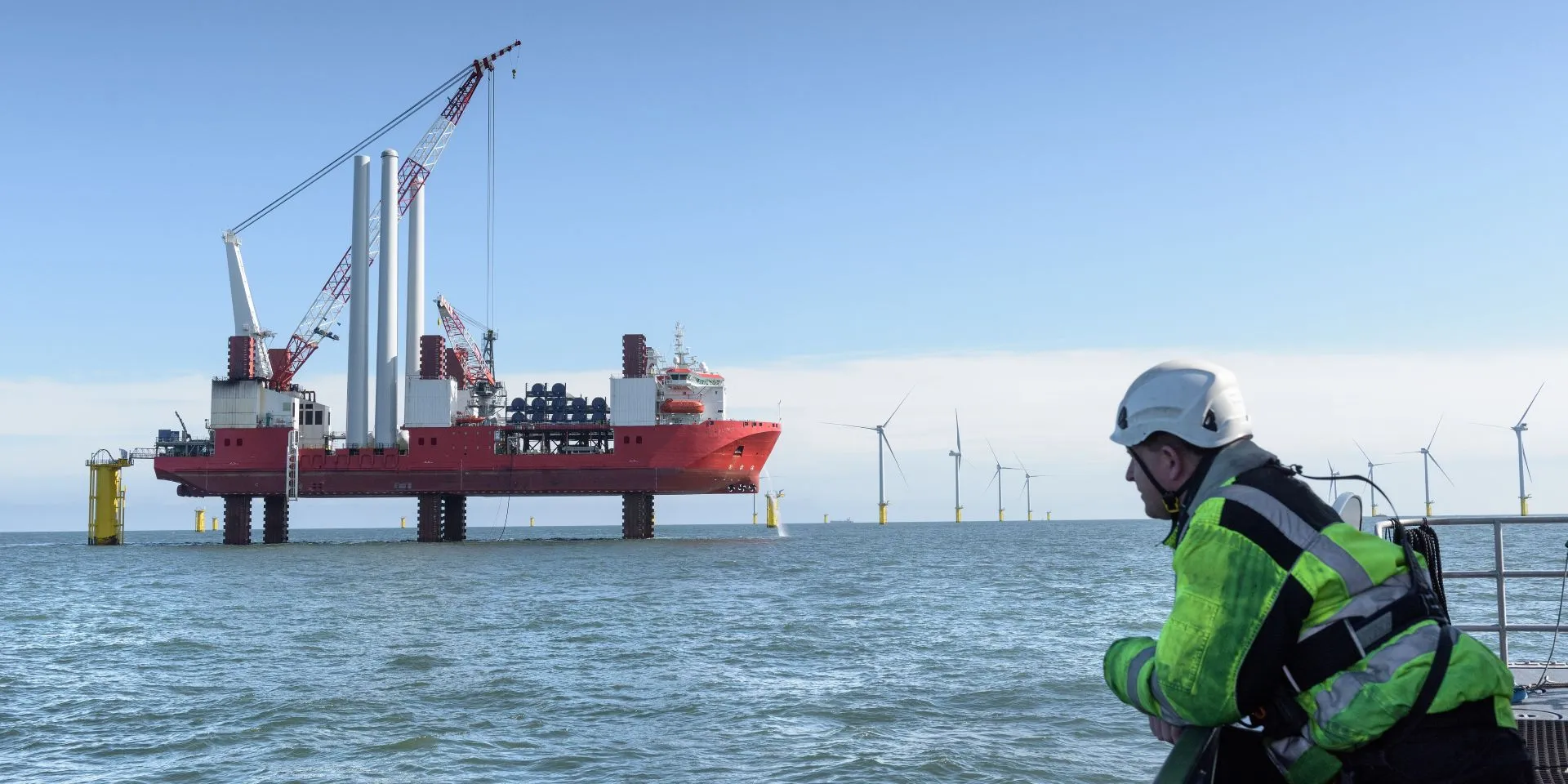


To understand the true impact of offshore wind, SUSTAINOW looks beyond turbines in operation. It assesses the entire lifecycle, from construction and operation to decommissioning, a critical stage that is often overlooked.
Raw materials
Manufacturing
Transport
Installation
Operation & maintenance
Decommissioning

A wide range of assessment tools already exists to support decision-making throughout the OWF life cycle.
The use of these assessment tools is divided across a life-cycle perspective structured around seven phases, including: site selection, tendering, project design, construction, operation, repowering, and decommissioning.
Strategic Environmental Assessment (SEA)
Helps to identify where offshore wind farms can best be developed by taking into account and evaluating environmental considerations at an early planning stage. This tool supports decisions on marine spatial planning, development zones, and long-term strategies.
Main phase: Site selection and tendering.
Cumulative Impact Assessment (CIA)
Assesses the combined effects of multiple activities and pressures over time across marine areas. It helps assess the joint effects when offshore wind farms coexist with other uses of the sea such as fisheries, shipping routes, or existing marine infrastructure.
Main phase: Site selection, project design, and operation.
Social Impact Assessment (SIA)
Explores how offshore wind projects may affect people, communities, and existing maritime activities including tourism, recreation, port activities, and other local economic activities. SIA supports consideration of social acceptance, livelihoods, and stakeholder concerns.
Main phase: Site selection, project design, and operation
Appropriate Assessment (AA)
Assesses whether a plan or project could adversely affect protected habitats or species, helping ensure that development remains compatible with biodiversity objectives.
Main phase: Site selection and project design.
Environmental Impact Assessment (EIA)
Evaluates the potential environmental consequences, including impacts on marine habitats, seabed and sediment dynamics, underwater noise, and wildlife disturbance, of a specific offshore wind project before approval. It supports decisions on project design, mitigation measures, construction approaches, and operational management.
Main phases: Project design, construction, and operation.
Water Framework Directive (WFD) and Marine Strategy Framework Directive (MSFD) assessments
Ensures that offshore wind development considers wider marine and water protection objectives, including ecosystem health, biodiversity, and environmental status.
Main phase: Project design, construction, and operation.
Life Cycle Assessment (LCA)
Analyses the environmental impact of an offshore wind farm throughout its entire life cycle, from materials and manufacturing to operation, repowering, and decommissioning. LCA helps identify opportunities for optimisation and circularity.
Main phase: Project design, operation, repowering & decommissioning.
Deep dive report reviewing existing tools
The above-mentioned tools provide valuable insights, but when used in isolation they can miss the bigger picture and the connections between environmental, social and technical factors.
For more information about it, see our report on the review of existing tools.


SUSTAINOW's open access tools
SUSTAINOW aims to create practical, publicly available tools that support local authorities, developers, and policymakers in their decision-making processes, specifically for the planning and design of offshore wind farms in a more sustainable way, from start to finish.